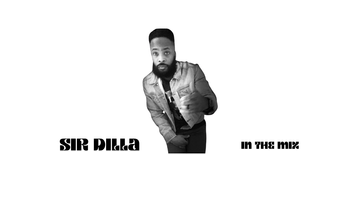
CREATIVE PURGATORY PRESENTS
SIR
DILLA
Narrative Hip-Hop
·
Cinematic Life Rap
“Every Beat Tells a Story.”
Scroll — Chapter 01
“Every Beat Tells a Story.”
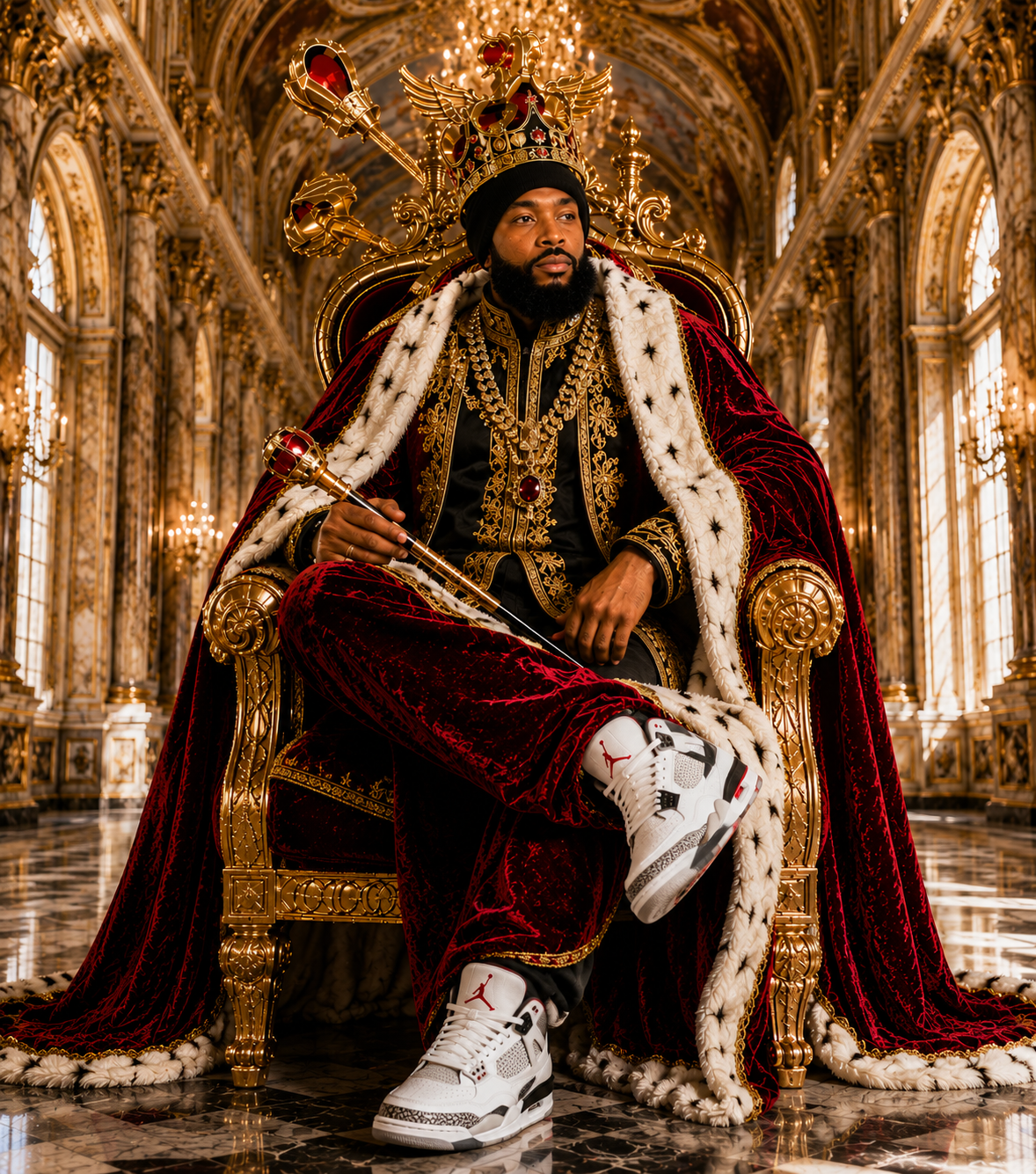
Sir Dilla isn't royalty because someone crowned him.
He became “Sir” because wisdom earned respect.
“Dilla” represents craftsmanship — not a reference to J Dilla, but to the act of seasoning something, of bringing out its flavor. Everything he touches gains flavor.
Sir Dilla isn't trying to become famous. He's trying to leave fingerprints.
While everyone else is writing songs about Friday night, Sir Dilla writes about Saturday morning — paying bills, raising children, marriage, dreams that almost died, faith, depression, purpose, winning, losing, starting over.
He's the voice people discover after they've lived enough life to understand what he's saying.
Short bio, press-ready:
Sir Dilla is a Narrative Hip-Hop artist blending Hip-Hop, melodic rap, Caribbean influence, jazz textures, and soul into cinematic songs about real adulthood — fatherhood, relationships, resilience, and reinvention. Rooted in West Indian and Boston culture and grounded in faith and family, his music speaks to builders, dreamers, and anyone starting over.
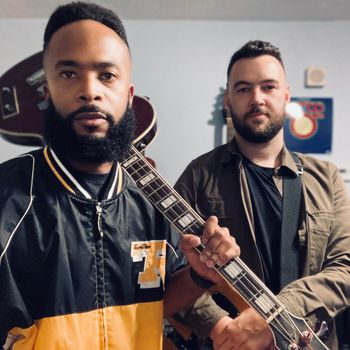
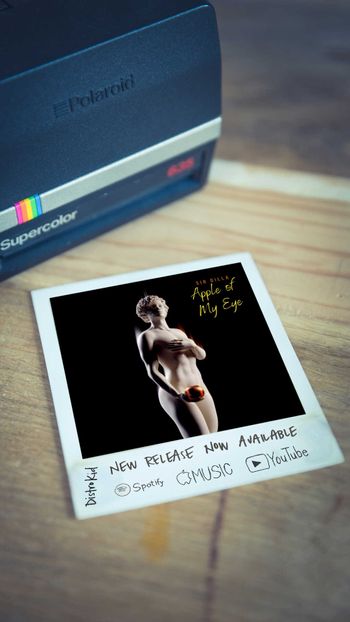
Not a place. A season.
“I know I'm meant for more.”
— and —
“I don't know how I'm getting there.”
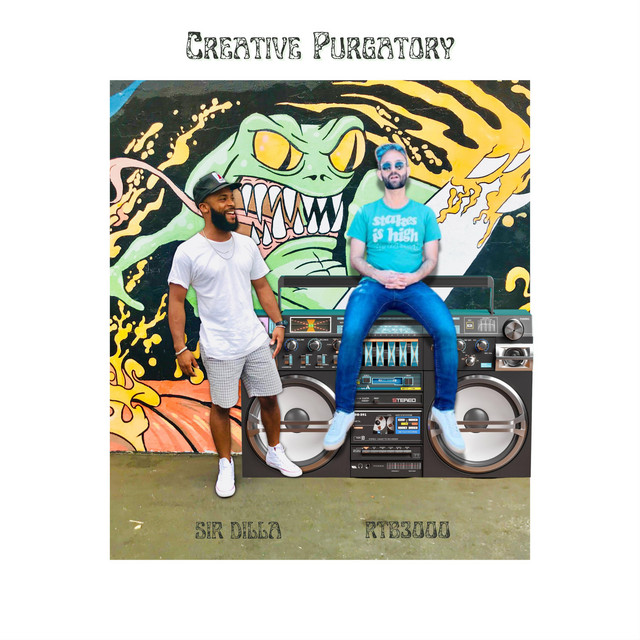
Every album, every song, every visual takes place somewhere inside Creative Purgatory. Not Heaven. Not Hell. The waiting room. The workshop. The construction zone — exactly where masterpieces are built.

Every mythology needs a true story sitting underneath it. This is his — kept close to how he told it, because some things don't need a rewrite.
“RTB3000 and I know each other from teaching in Boston Public Schools. I chose his beats because they were classic hip-hop — it feels like eons from the styles out now.”
Not a nostalgia play. A foundation — built with someone who understood the sound the same way he did, because they'd been standing in the same classrooms.
“Creative Purgatory is creativity being frustrating, but pushing through — not knowing when that moment is. It's the album of getting back into shape.”
Not writer's block. Not burnout. Something closer to a stalled engine — turning over, catching, stalling out again, with no way of knowing which attempt would finally hold.
“I was going through a weird time in life. Having a kid, then having another one, trying to navigate that while learning the love of my life — my wife — and frustrated at work, because all I want to do is make beats, and it feels like I'm further away from that.”
“This album was bringing me back.”
— Sir Dilla
Not a persona. Not a marketing angle. A room he built his way back into himself, one loop at a time.
Every song reminds people: you aren't alone.
Everybody has a story. Some write books. Some write journals.
Sir Dilla writes soundtracks.
Rather than fitting neatly into one genre, the catalog blends:
Instead of “Hip-Hop Artist,” the preferred positioning is:
Cinematic Life Rap — or — Narrative Hip-Hop
He doesn't make songs. He documents chapters.
Music videos, freestyles, and behind-the-lens footage — the visual half of the catalog.
Color Palette
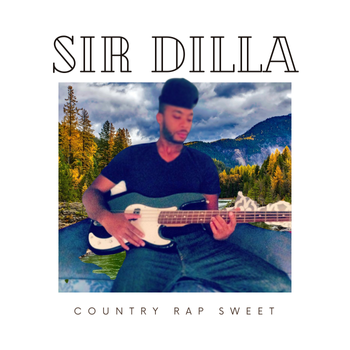
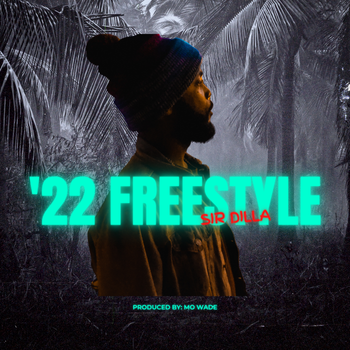
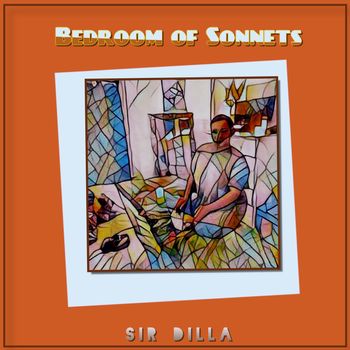
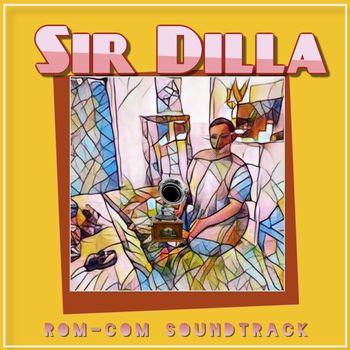
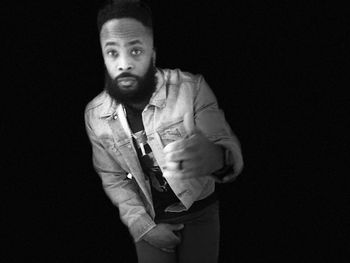
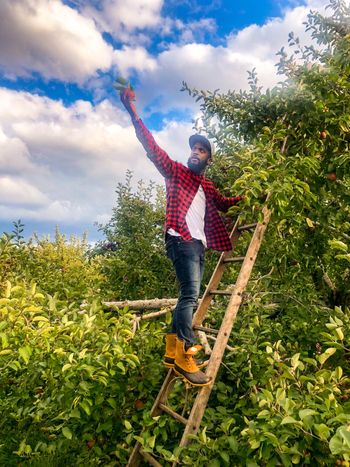
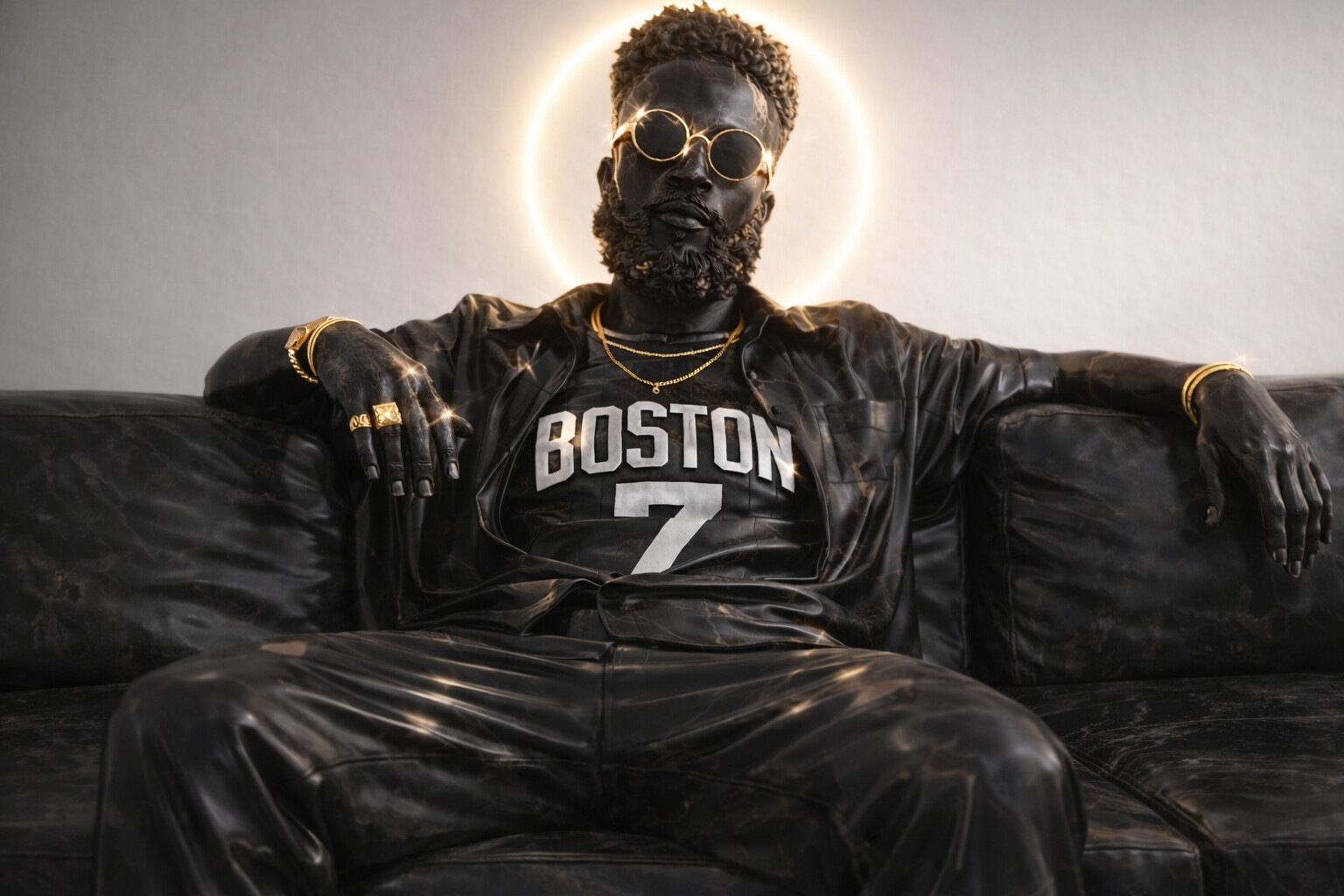
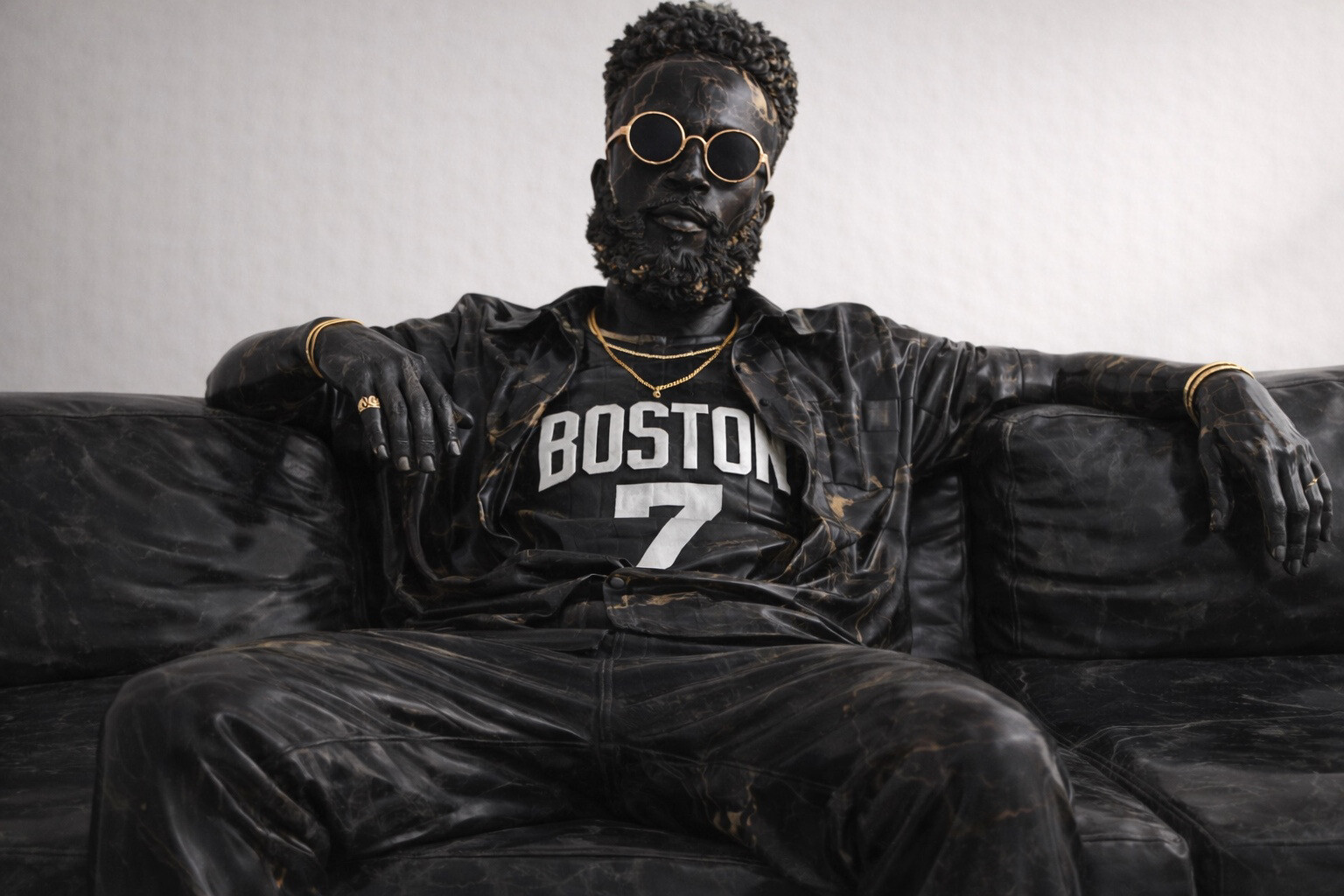
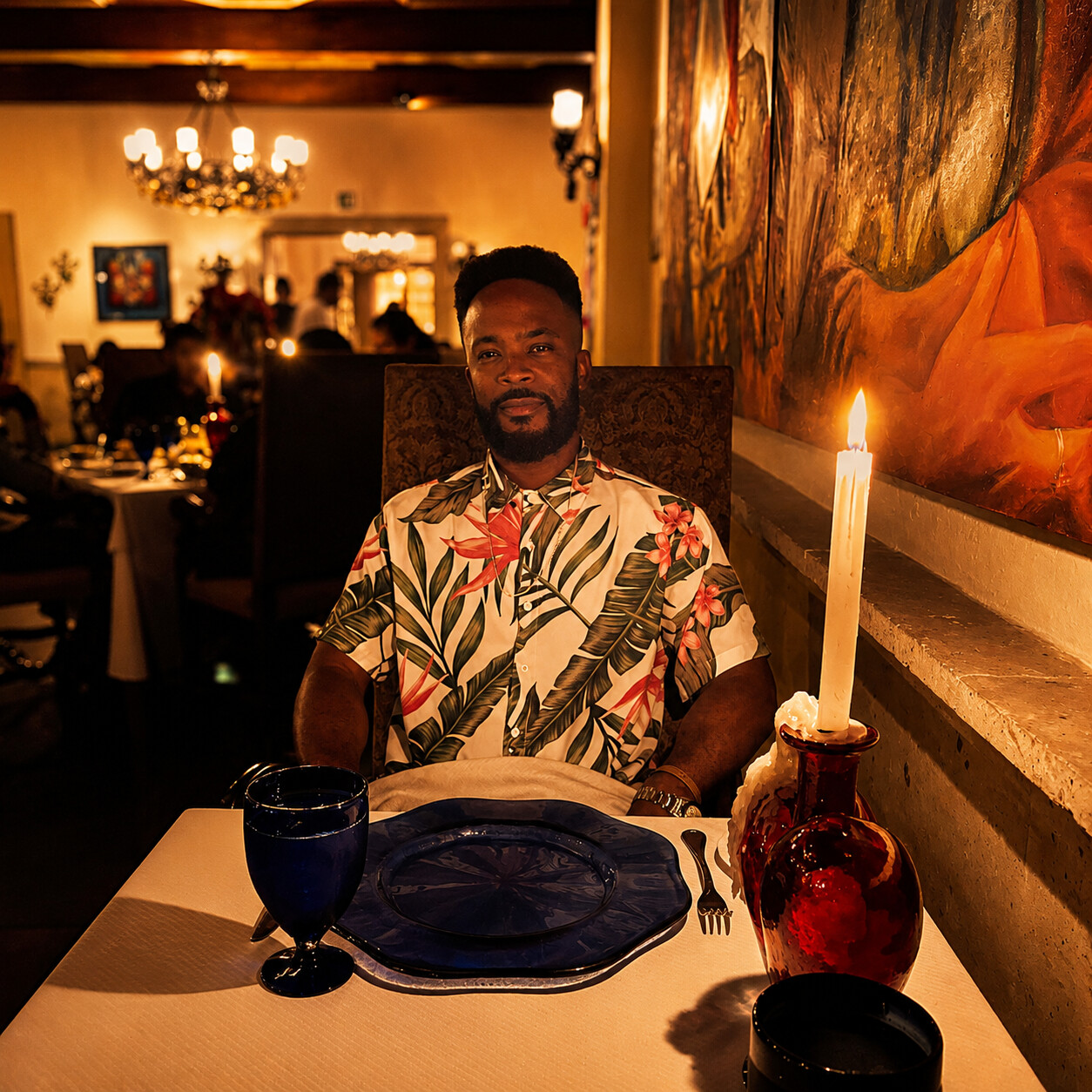
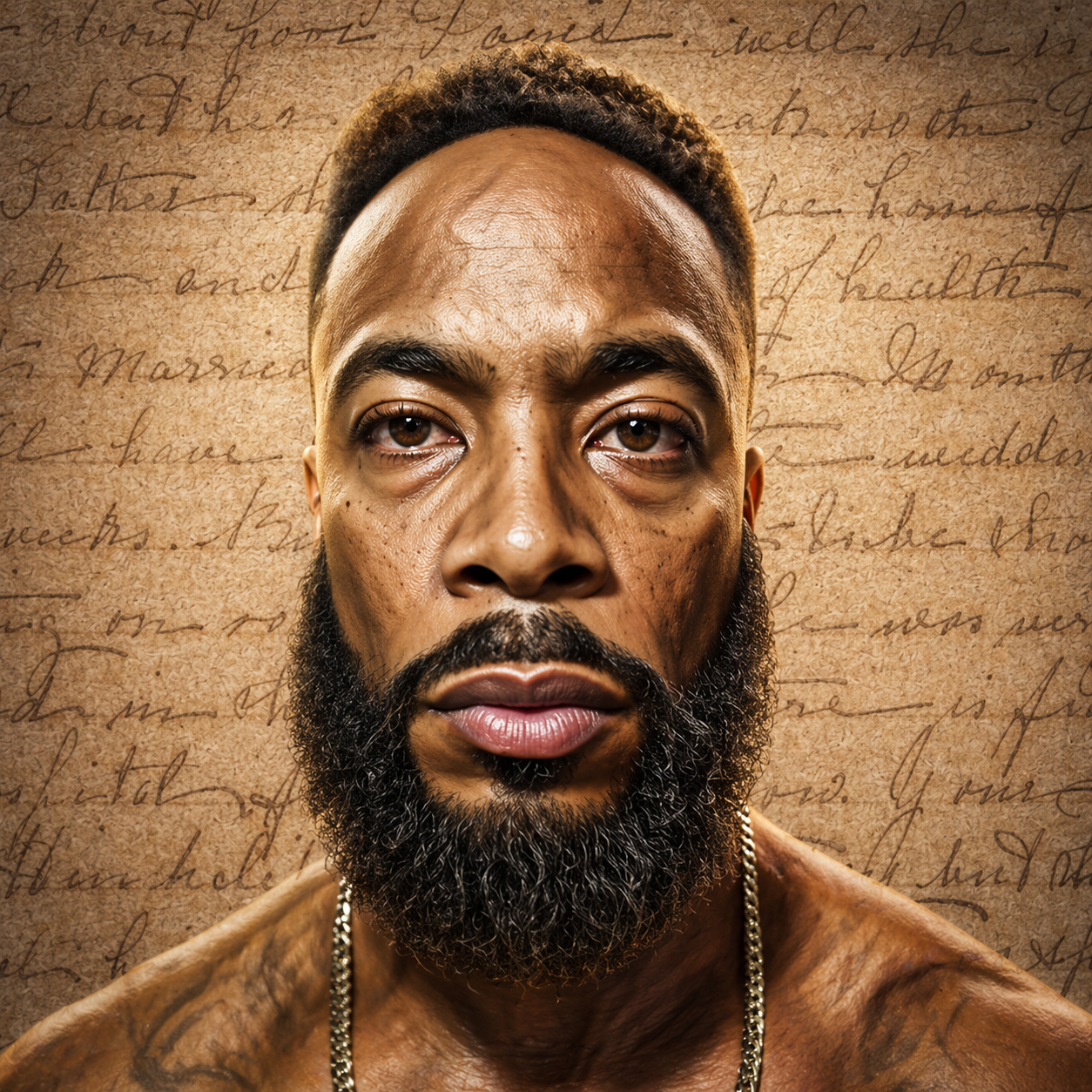
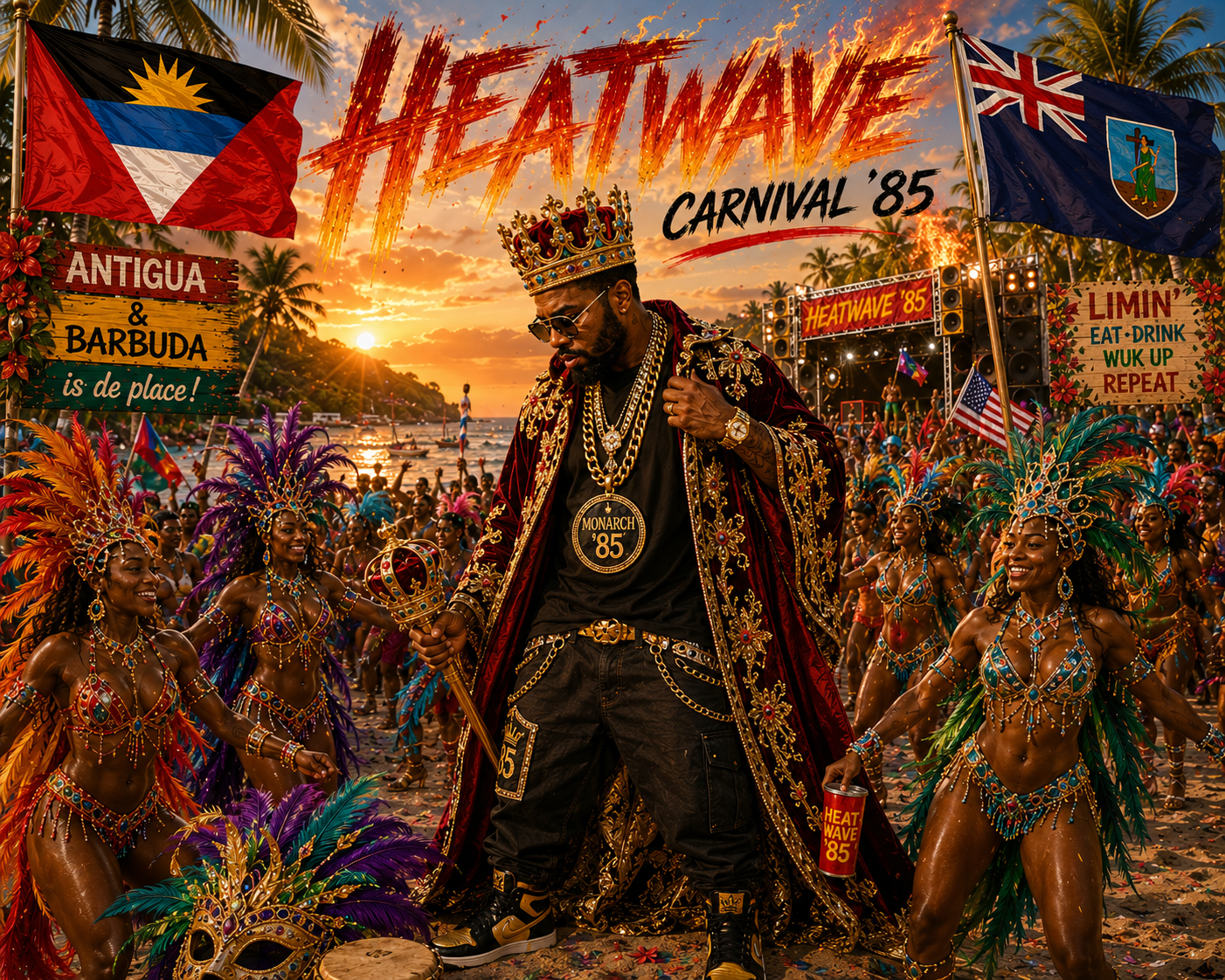
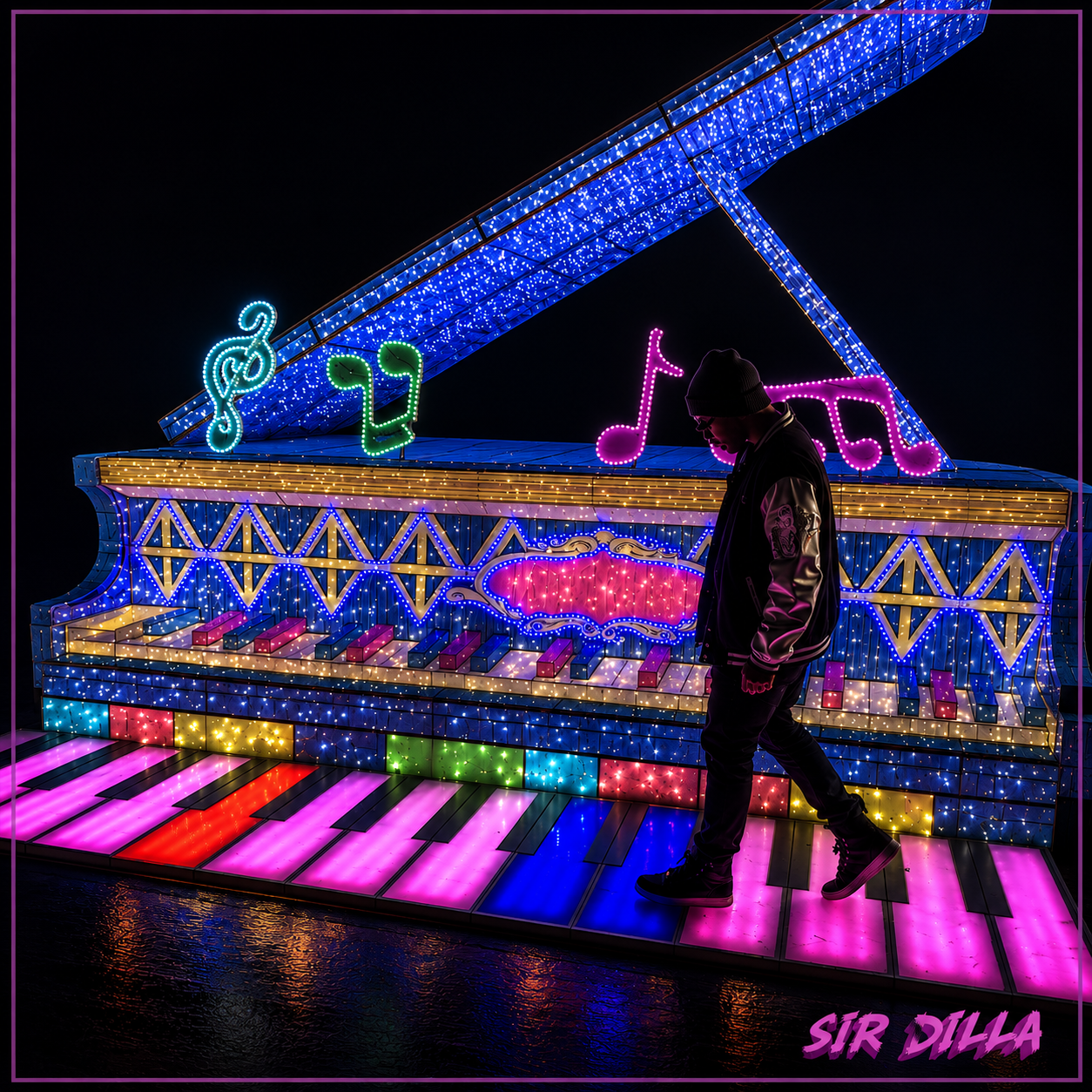
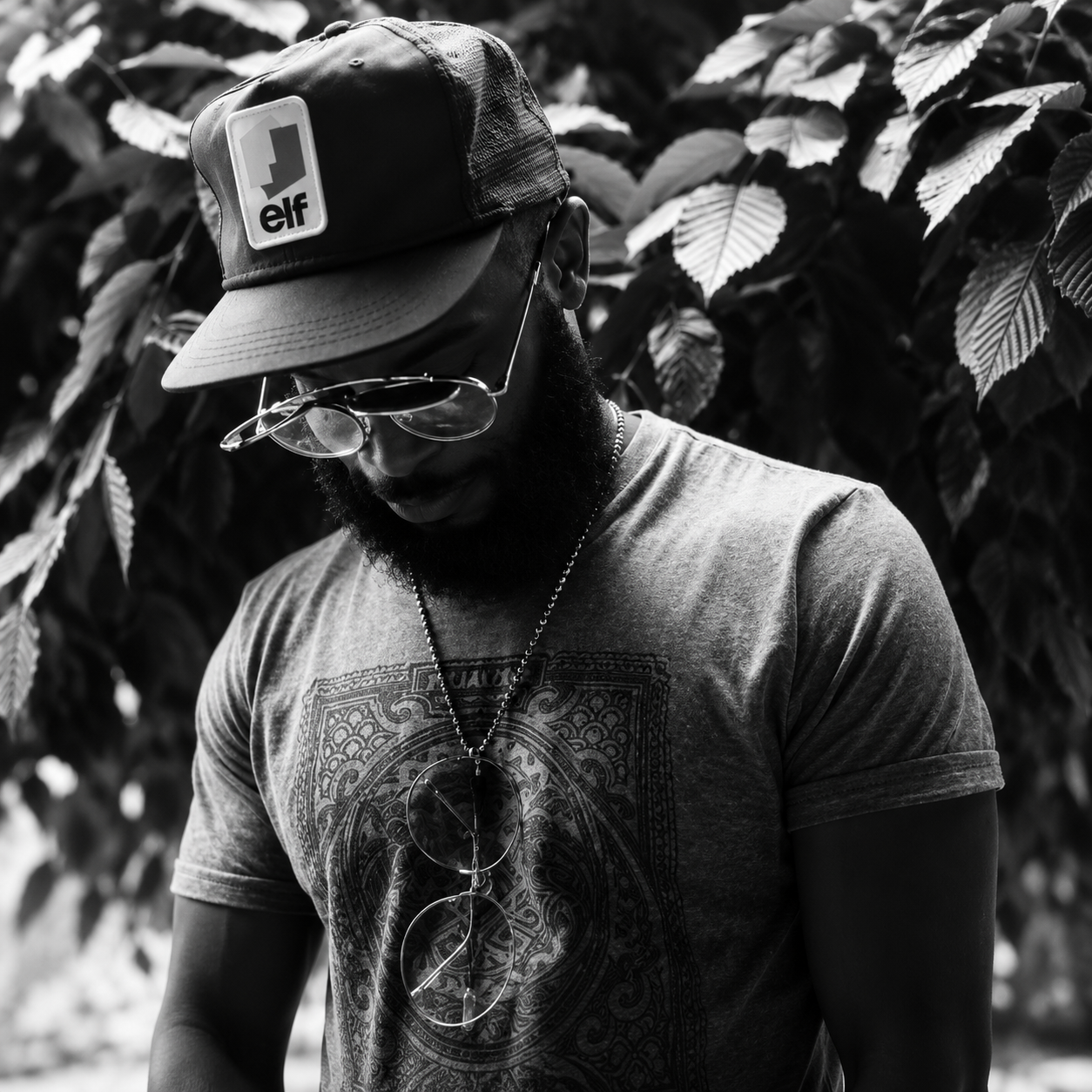
Photography — half documentary, half movie poster. Every image should look like someone paused a film.
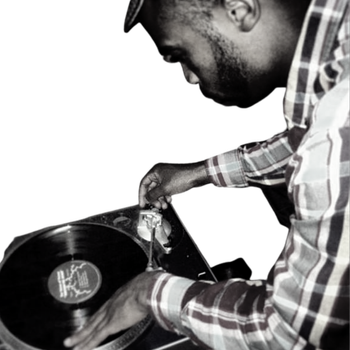
Recurring symbols — not props, but a visual language:
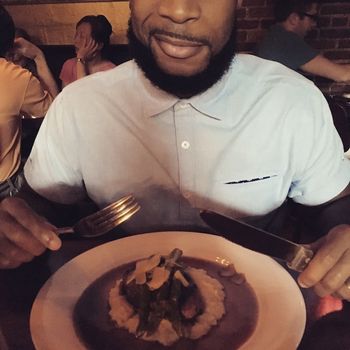
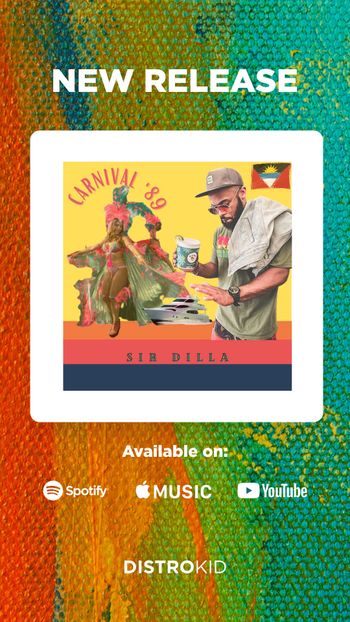
Half documentary, half movie poster — the two halves of the Sir Dilla image, side by side.


Songs become chapters. Music videos become scenes. Concerts become experiences. Merch becomes artifacts. The website becomes a library. Because Readers read between the lines.